Climate Week NYC 2020: What We Learned during This Year’s Event
In 2020, the event took on heightened significance as the COVID-19 pandemic forced other major climate conferences — most notably the annual UN climate convention, COP26 — to be cancelled or postponed.
Our corporate sustainability team at VOX has been helping companies navigate this annual event for many years. We congratulate several VOX clients that made big announcements and discussed their environmental work this year, including AT&T, Bank of America, Trane Technologies and Walmart. Here are our key takeaways from the event:
Virtual Format: A Blessing and a Curse
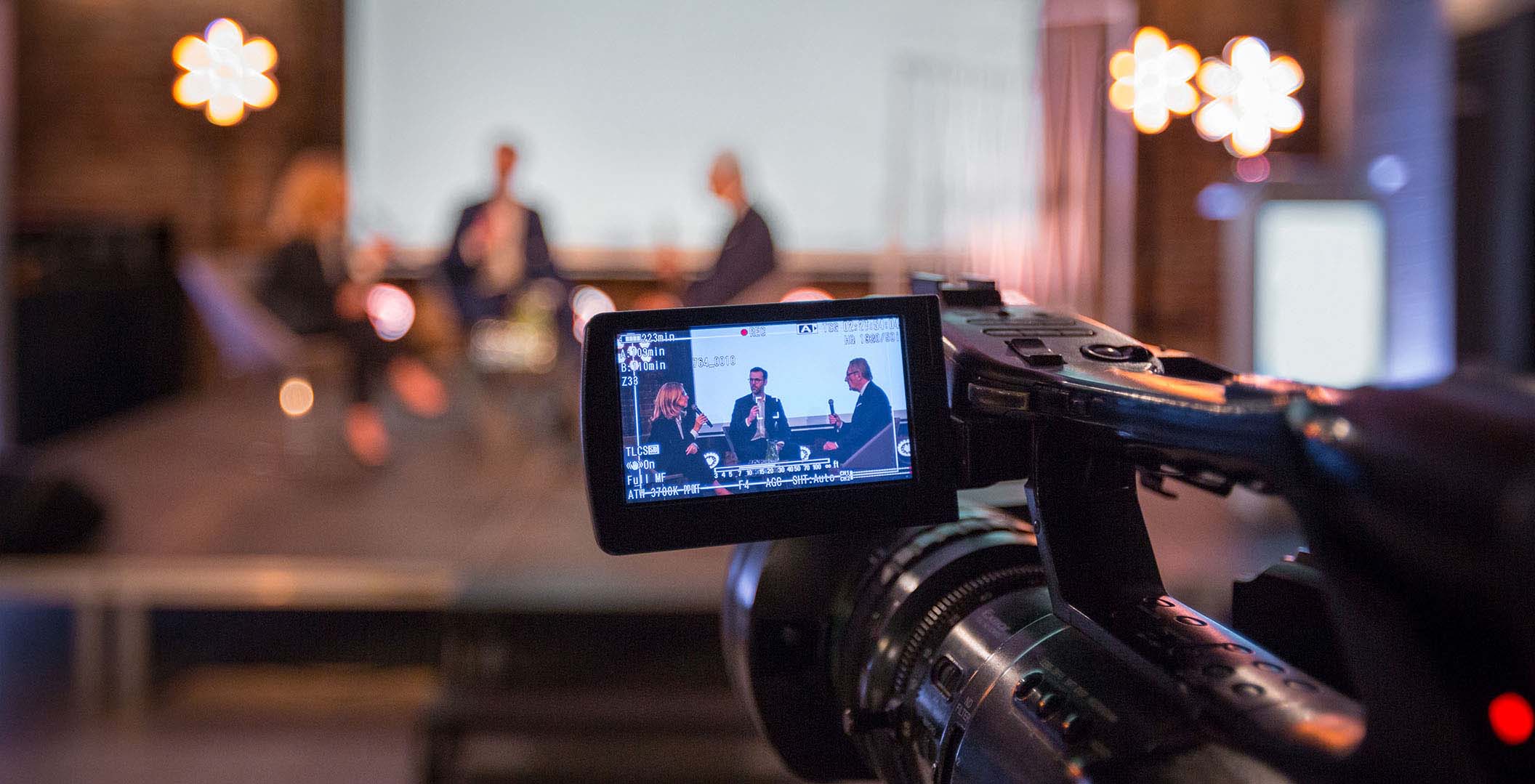
In 2020, the biggest change compared to previous Climate Weeks was the first-ever virtual format. It came with a number of advantages. For one, it allowed more senior leaders to attend because a virtual speaking engagement is much easier to fit into a busy leader’s schedule than a trip to New York City. This year’s event included luminaries like HRH Prince Charles, Walmart CEO Doug McMillon, Unilever CEO Alan Jope, Nestlé CEO Mark Schneider and Alok Sharma, president of COP26, among others. Importantly, the new format also dramatically cut the greenhouse gas emissions footprint of the event — and that’s ultimately what Climate Week is all about.
While these are important benefits, something less tangible was lost. Time and again, we’ve watched business leaders attend Climate Week and be inspired by the conversations they have as part of the official schedule and especially during the many unscheduled interactions that are part of every conference. A virtual Climate Week does make it harder to have those conversations.
Companies Are Committed to Action as Expectations Continue to Rise
Despite the crowded media landscape, Climate Week proved to be a premier opportunity for announcing new sustainability efforts and boosting brand awareness. From AT&T and Walmart committing to carbon neutrality for their operations to Google aiming for 24/7 carbon-free energy to Amazon expanding its Climate Pledge, some of the world’s biggest companies used the event to step up their climate action. While businesses can — and should — still get credit for setting environmental sustainability goals, it’s worth noting that the expectations for such goals keep rising. For emissions reduction targets, for example, including supplier and/or customer (i.e., Scope 3) emissions, getting goals validated by the Science Based Targets initiative and using carbon offsets as a last resort or not at all are quickly becoming standard practices. Companies need to be prepared for tough questions from media and other stakeholders if they announce initiatives that don’t include these features.
The Importance of CEO Engagement
Transitioning from Pledges to Action
While Climate Week 2020 was undoubtedly a success for the companies that participated and used the event as a platform to roll out new commitments, we are starting to see what one reporter called “pledge fatigue.” Any credible corporate effort to tackle climate change should start with clearly defined, ambitious and public goals that create accountability. At the same time, it’s important to act on and make progress against those goals, rather than keep rolling out ever new pledges. This is, of course, the hard part of tackling climate change, but it’s also the part that truly matters for the long-term prosperity of businesses and communities around the world.